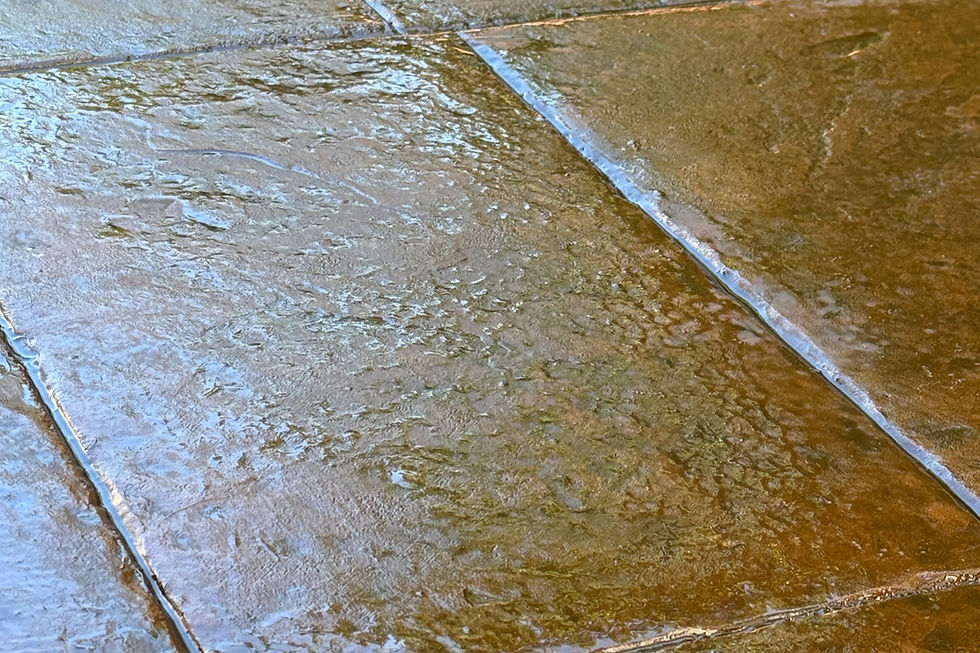
Choosing the Perfect Concrete Finish for Your Project
The best concrete finish depends on the intended purpose of the slab, how much traction it needs, the look you want, and how much maintenance you are willing to handle. Broom and swirl finishes are practical choices for exterior concrete, exposed aggregate adds texture and visual interest, stamped concrete offers the most design flexibility, and smooth-troweled concrete is generally best for interior floors.
Whether you are hiring a concrete contractor or planning a DIY project, choosing the finish is one of the most important decisions you will make. The finish affects how the concrete looks, but it also determines how the surface feels underfoot, how easy it is to clean, and how well it functions in its environment.
Before comparing the different types of concrete finishes, it helps to understand what "finishing" actually means.
What is a Concrete Finish?
A concrete finish is the texture or smoothness created on the surface of fresh concrete while the material is still workable. Finishing happens on the same day the concrete is placed. It is not the same as applying a sealer or coating after the slab has hardened.
The bulk of a concrete slab contains larger aggregates that provide its strength. The thin surface layer on top is what you see and use every day. Contractors work this surface with brooms, floats, trowels, stamps, or other tools to create the desired finish. That finish should be selected for the job the slab needs to do - not just for its appearance.
Concrete Finish | Applications | Advantages | Things to Consider |
|---|---|---|---|
Broom Finish | Driveways, sidewalks, steps, and porches | Good traction, practical, economical, and forgiving | More basic appearance; not ideal indoors |
Swirl Finish | Exterior walks, patios, and driveways | Traction similar to broom concrete with a distinct look | Fewer contractors offer it; may cost more than broom finishing |
Exposed Aggregate | Driveways, patios, walks, and pool decks | Decorative, highly textured, and naturally hides age | Rougher surface, higher cost, and occasional stone pops |
Stamped Concrete | Patios, walkways, porches, and select interiors | Can resemble stone, wood, brick, slate, tile, etc. | Highest cost and more ongoing maintenance |
Smooth-Troweled Concrete | Garages, basements, shop floors, warehouses, and interior floors | Dense, durable, easy to clean, and low maintenance | Can be slippery outdoors and shows finishing imperfections |
Broom-Finish Concrete
Broom-finish concrete is one of the most common choices for exterior slabs. After the surface has been leveled and worked, a contractor pulls a concrete broom across it at the right stage of the set. The fine grooves left behind improve traction. That makes a broom finish a dependable choice for:
Driveways
Sidewalks
Steps
Front porches
Other outdoor areas where slip resistance matters

Broom finishing still requires experience and good timing, but it is generally less labor-intensive than decorative options such as exposed aggregate or stamped concrete. Its texture also helps disguise minor surface imperfections.
The main drawback is appearance. Some homeowners prefer the clean, straightforward look of a crisp broom finish, while others see it as plain. If function, traction, and budget are the priorities, however, broom concrete is hard to beat.
A broom finish is usually not the best choice for interior floors. Indoors, the added texture is unnecessary and makes the surface more difficult to sweep and clean.
Swirl Finish Concrete
Swirl-finish concrete provides much of the same traction and functionality as broom-finished concrete but has a noticeably different appearance. Instead of dragging a broom across the slab, the finisher creates overlapping circular or arched patterns with a hand float. This is a more traditional, old-school finishing method. It can give exterior concrete extra character without moving into the cost and maintenance of stamped concrete.

The advantages and drawbacks are similar to those of a broom finish. Swirl concrete works well outdoors and offers good traction, but it is still a textured, utilitarian surface. It may also take more time to install, and not every contractor offers it. If you like this look, ask to see examples of the contractor's previous swirl-finish work before the project begins.
Exposed Aggregate Concrete

Exposed aggregate is a popular step up from standard broom or swirl concrete. It creates a natural, decorative surface while maintaining plenty of traction for exterior use. To create this finish, the contractor applies a surface-retarding chemical after the slab has been placed and finished. At the proper time, the top layer of cement paste is washed away to reveal the aggregate beneath it.
Because the aggregate is exposed, the surface tends to look more natural as it ages. It can be an excellent middle ground for homeowners who want something more visually interesting than broom concrete but do not want the pattern, coloring process, or maintenance of stamped concrete. Exposed aggregate works especially well on driveways, patios, walkways, pool decks, and other exterior slabs. It offers strong traction, but the surface can feel rougher under bare feet than a broom finish. Modern exposed aggregate products offer multiple levels of exposure, ranging from a rough gravel look to a fine sand finish.
Some individual stones may also loosen or pop out over time. The higher material and labor requirements make it more expensive than standard broom or swirl-finished concrete. It is recommended to seal your exposed aggregate concrete every 3-5 years, especially on driveways, to help protect the surface and maintain its appearance.

Stamped Concrete
Stamped concrete offers the greatest range of design options. With the right pattern, color, and antiquing, a skilled decorative concrete contractor can make a slab resemble natural stone, wood planks, brick, tile, or another material.
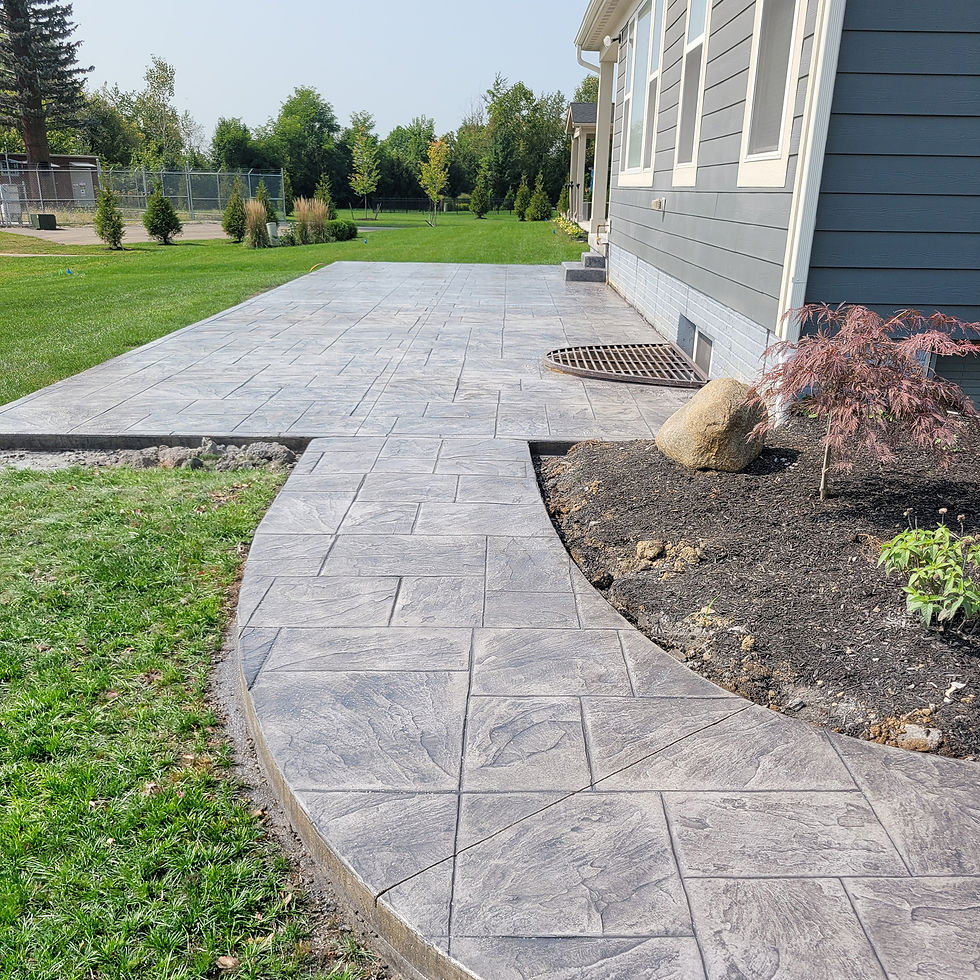
The process is more involved than other concrete finishes. Contractors press and tamp textured rubber stamps across the entire surface while the concrete is at the correct stage of set. The project also requires color, an antiquing method, detailed touch-ups, cleaning, and a compatible sealer. There are hundreds of stamp patterns available, but most individual contractors and rental stores will only carry a selection. If you have a specific pattern in mind, discuss it before scheduling the pour. Bringing in a special stamp set may add to the project cost.
Stamped concrete is one of the most expensive finish options because it requires additional skill, labor, materials, and multiple return trips to the jobsite. It also needs more maintenance. We generally recommend cleaning the surface yearly and applying a new coat of sealer about every three to four years, although the actual schedule will depend on traffic, climate, exposure, and the sealer system used.
The payoff is a concrete surface that remains functional while becoming a major part of the property's design. Most stamped concrete is installed outdoors, but it can also be used for certain interior applications.
Smooth-Troweled Concrete
Smooth-troweled concrete is the standard choice for many interior floors. A steel hand trowel can be used on smaller areas, while larger slabs are commonly finished with a power trowel machine.
The goal is to create a dense, smooth surface with tight pores. When properly installed, a smooth-troweled floor is durable, easy to clean, and relatively low maintenance. It is commonly used in garages, basements, shops, warehouses, and other interior spaces.
Achieving a clean trowel finish takes considerable skill. Because there is no heavy texture to hide mistakes, uneven areas and finishing marks are easier to see.
Smooth-troweled concrete is generally a poor choice for exterior flatwork. The surface can become slippery when wet, and exterior concrete often contains entrained air to improve freeze-thaw durability, which can make steel troweling more difficult and potentially damage the surface.
If you want an outdoor slab that is smoother than broom or swirl concrete, ask your contractor about a one-pass or "fuzzy" trowel finish. It will not be as slick or as tightly finished as an interior garage floor, but it can create a different exterior look.
Can Concrete Finishes Be Combined?
The same finish does not always need to be used across an entire project. Combining finishes can add detail while keeping the main surface practical. A broom-finished driveway with a stamped border is a common example. The broomed field provides dependable traction and helps to control the cost of the project, while the decorative stamped border gives the project a more unique, high-end appearance.
Comparable combinations can be applied to patios, walkways, porches, and pool decks. Additional options, such as stenciled concrete, rock-salt finishes, sponge finishes, and custom trowel textures, might also be available. Since every contractor has their own set of unique tools and skills, inquire about what they have to offer before deciding.
How to Choose the Best Concrete Finish
When comparing concrete finishes, consider these five questions:
Where will the concrete be installed?
Exterior concrete typically needs texture for traction, while an interior floor benefits from a smoother, easier-to-clean surface.
How much slip resistance does the area need?
Driveways, sidewalks, steps, and other surfaces exposed to water usually perform best with a broom, swirl, exposed aggregate, or another appropriately textured finish.
What look do you want?
Broom and swirl finishes keep the appearance simple. Exposed aggregate showcases natural stone, while stamped concrete provides the widest selection of patterns and colors.
What is the total budget for the project?
A standard broom finish is generally the most economical. Swirl and exposed aggregate finishes add labor and material costs. Stamped concrete is typically the most expensive because of its specialized installation and finishing process.
How much maintenance are you comfortable with?
Smooth interior concrete and standard broom finishes are relatively simple to maintain. Exposed aggregate benefits from sealer, and stamped concrete needs regular cleaning and periodic resealing to keep it protected and looking its best.
Frequently Asked Questions About Concrete Finishes
What is the best concrete finish for a driveway?
There is no single best option for every driveway. Broom finish concrete is practical, slip-resistant, and economical. Exposed aggregate adds a more decorative look while maintaining traction. Stamped concrete is the premium choice when design is the main priority, and the owner is prepared for additional cost and maintenance.
Is smooth concrete good for outdoor use?
A tightly steel-troweled surface is usually not recommended for exterior flatwork because it can become slippery, especially when wet. A lightly troweled exterior finish may be possible, but it should be discussed with an experienced local contractor.
Does every concrete finish need to be sealed?
Yes. Finishing and sealing are separate steps. Stamped concrete and exposed aggregate should be sealed to protect the surface and enhance their appearance. For broomed or swirled concrete, a penetrating water repellent is the best option without changing the appearance.
Which concrete finish is easiest to maintain?
For interior floors, smooth-troweled concrete is easy to sweep and clean. For exterior concrete, a well-installed broom finish provides a practical surface without the decorative maintenance associated with stamped concrete.
Can a DIYer finish concrete?
Small projects may be manageable for an experienced DIYer, but concrete finishing is time-sensitive, and mistakes are difficult to correct after the slab hardens. Practice the technique with bagged concrete before ordering ready-mix concrete, and do not take on more square footage than you can finish properly.
Make the Finish Fit the Project
The perfect concrete finish is the one that balances appearance with real-world performance. A finish that looks great but becomes slippery, difficult to clean, or too demanding to maintain is not the right choice for the space.
Talk with your concrete contractor about how the slab will be used, the level of traction it needs, your preferred look, and your long-term maintenance expectations. An experienced contractor can help narrow down the options and show you finishes that fit both the project and the budget.